.png)


Classic Recipe of Filipino Dishes
- Pin It Pinas
- Dec 13, 2021
- 2 min read

While Filipinos living in other countries may crave the traditional flavors of their hometown, there are many foreign substitutes to a few of our favorite local delicacies that can be found around the world. To satisfy your cravings for a taste of home, check out these regional cuisines.
Authentic Filipino cuisine is all about spice, heartiness, and a feeling of warmth. Flavorful savory broths and buttery sauces are common ingredients in their dishes. You won't lose weight eating these, but you will feel satisfied. If you're bored of the same old recipe for lunch, why not change things up? These Filipino recipes can spice things up if you've ever had a bland meal. Is it too late to bring a taste of the Philippines to your dinner? No! Take a look at this.
Chicken Adobo
During the Spanish Empire's rule on Asia, the Philippines were a part of it for centuries. Several of its dishes, including adobo, have been influenced by Spanish cuisine. To describe the process of marinating meat, "adobo" means "to marinate." Adobo, a browned Filipino chicken dish, is seasoned with garlic and pepper. The chicken marinated has an acidic and delicious flavor. The sauce begins to form into a brown coating as it cooks, making it ideal for serving hot, steaming rice.

Source: Eatwell - https://tinyurl.com/msvme5z8
Tinola Manok
Tinolang manok is a perfect pair of chicken broth with rice. The soup is spiced with garlic, onion, ginger, and some hot chili leaves and flavored with a salty seasoning. It's a quick dish to make, but it's perhaps one of the most delectable meals in the country.
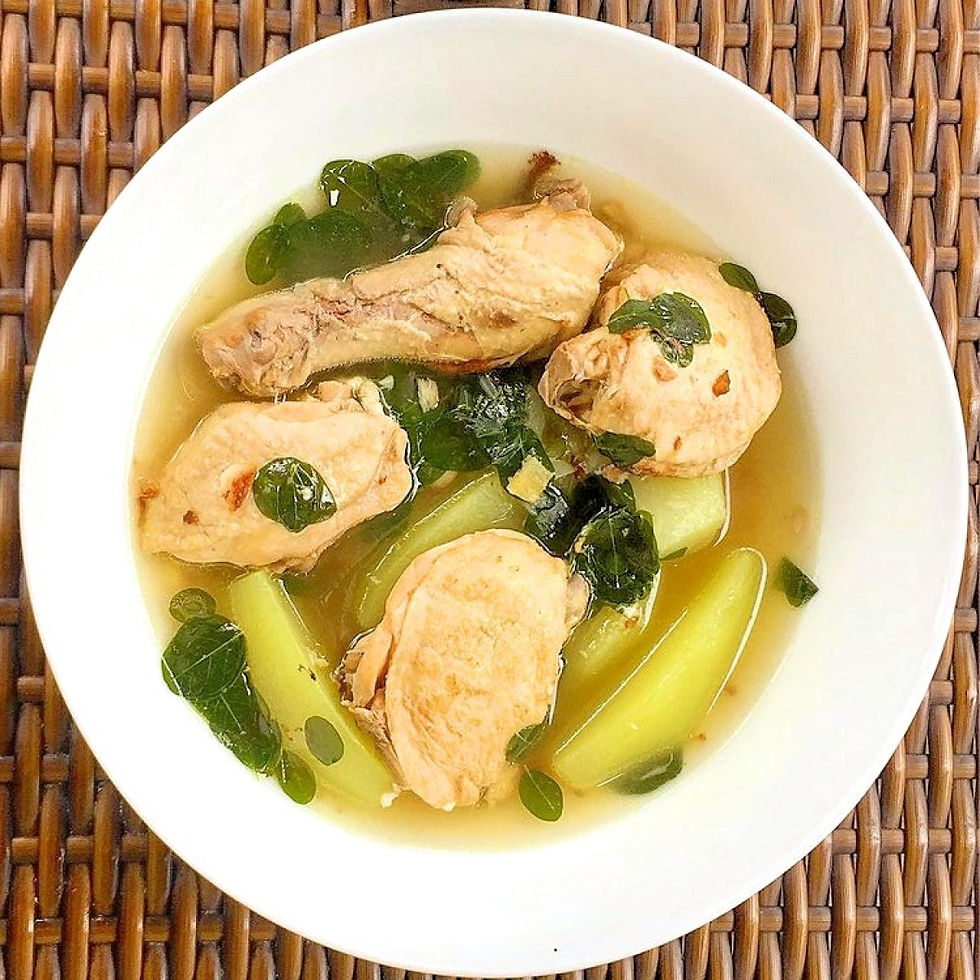
Source: Lutong Pinoy Recipe - https://tinyurl.com/dpe7fmuu
Beef Pochero
To celebrate special events, pochero is a hearty tomato-based stew made with tender beef, carrots, potatoes, sausage, and beans. It's even better with the addition of sweet plantain. It's a banana native to the Philippines, known as a "sweet plantain." Compared to a regular banana, it has a gentler flavor and is thicker and heavier in texture. Unless you're making beef pochero, it's a great addition to desserts. The sweetness of the banana counteracts the meal's creaminess, resulting in a well-rounded flavor.

Source: Casa Baluarte Filipino Recipes - https://tinyurl.com/mrx7mwk3
Kare-Kare
The thinly sliced beef, tripe, and veggies are coated in a creamy peanut sauce in this earthy flavor soup. The combination of kare-kare and sugary shrimp paste creates a taste burst in this meal.
The juicy, softening meat, as well as the vegetables and sauce, are what make kare-are so popular. The beef used in kare-care isn't your run-of-the-mill variety. "Tripe" means the soft and chewable outer layer of the stomach.
Additional flavor comes from the thick and sweet pork belly. String beans, eggplant, broccoli, and banana blossoms add exciting flavors to this dish. Not to mention the dipping sauce. The perfect pair of sweet and salty flavors makes kare-kare sauce as the ideal condiment. Kare-Kare is usually given exclusively on rare occasions due to its difficulty in preparation. Even yet, whenever the food is this good, it's well worth the effort.


Comments